The Land
The foundation of SEED is the land itself.
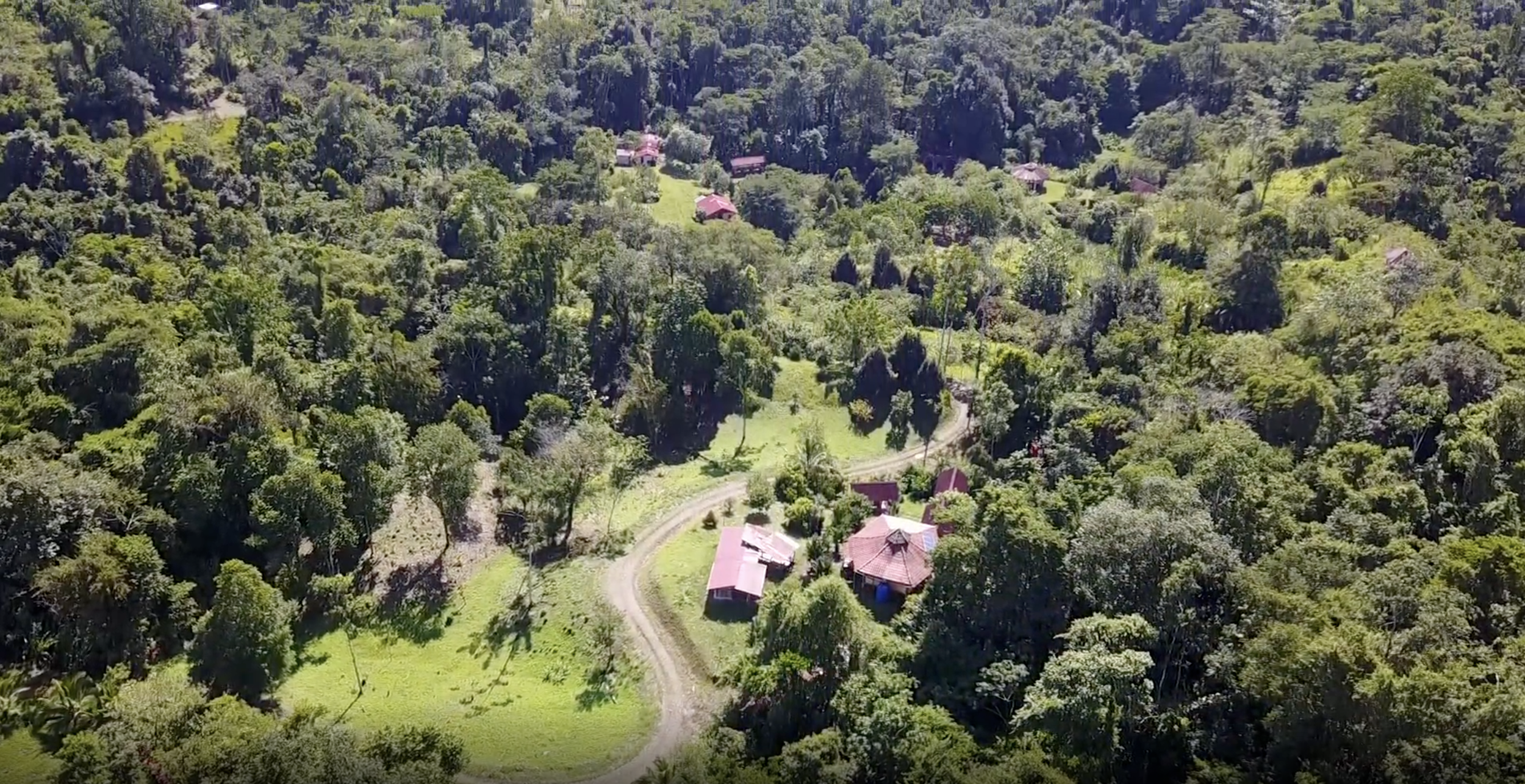
SEED is an ecovillage in Costa Rica shaped by the realities of this place, its water, forests, soil, and capacity to support everyday life. The land came first. Everything else followed from paying attention to what it could comfortably hold.
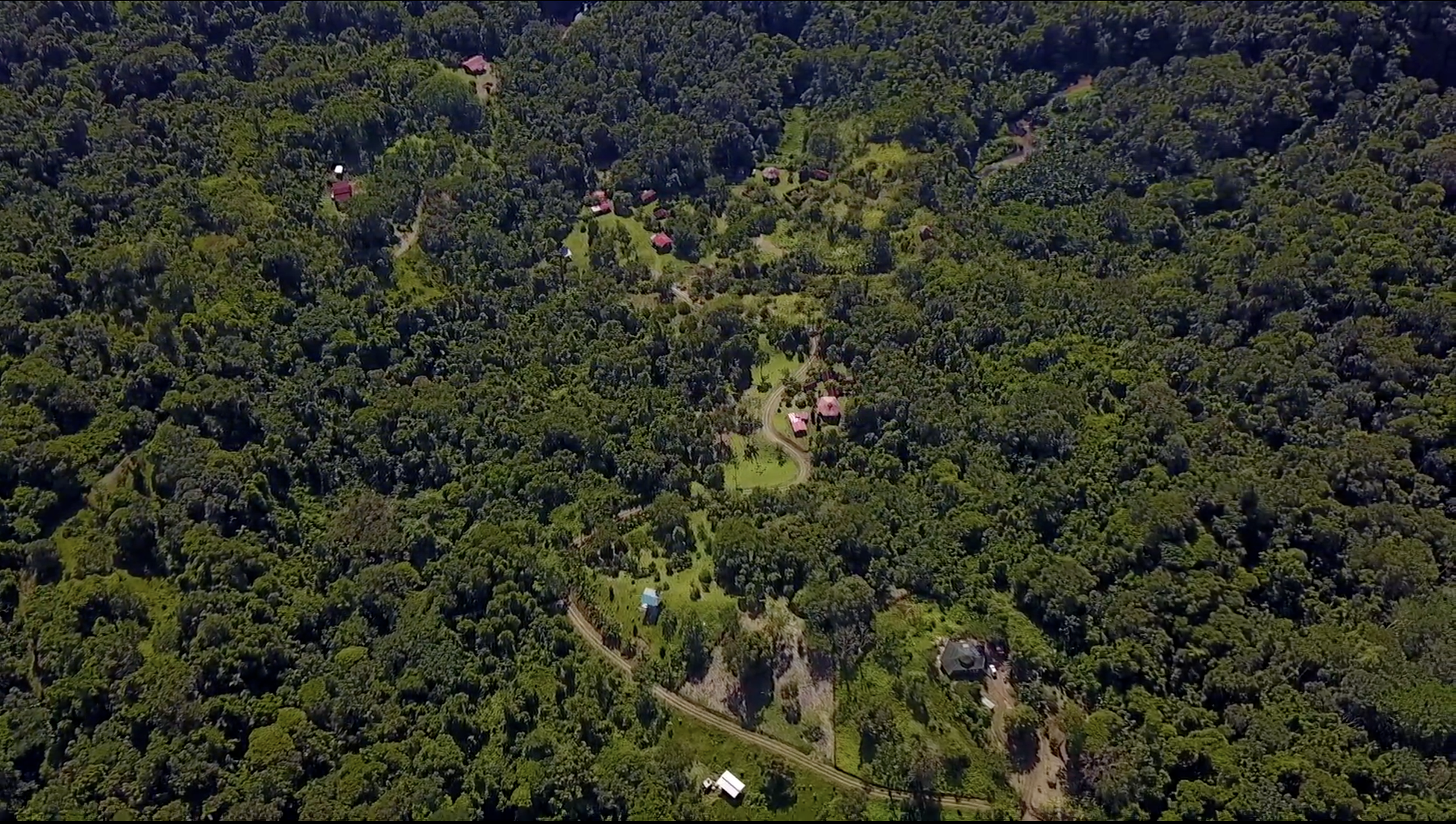
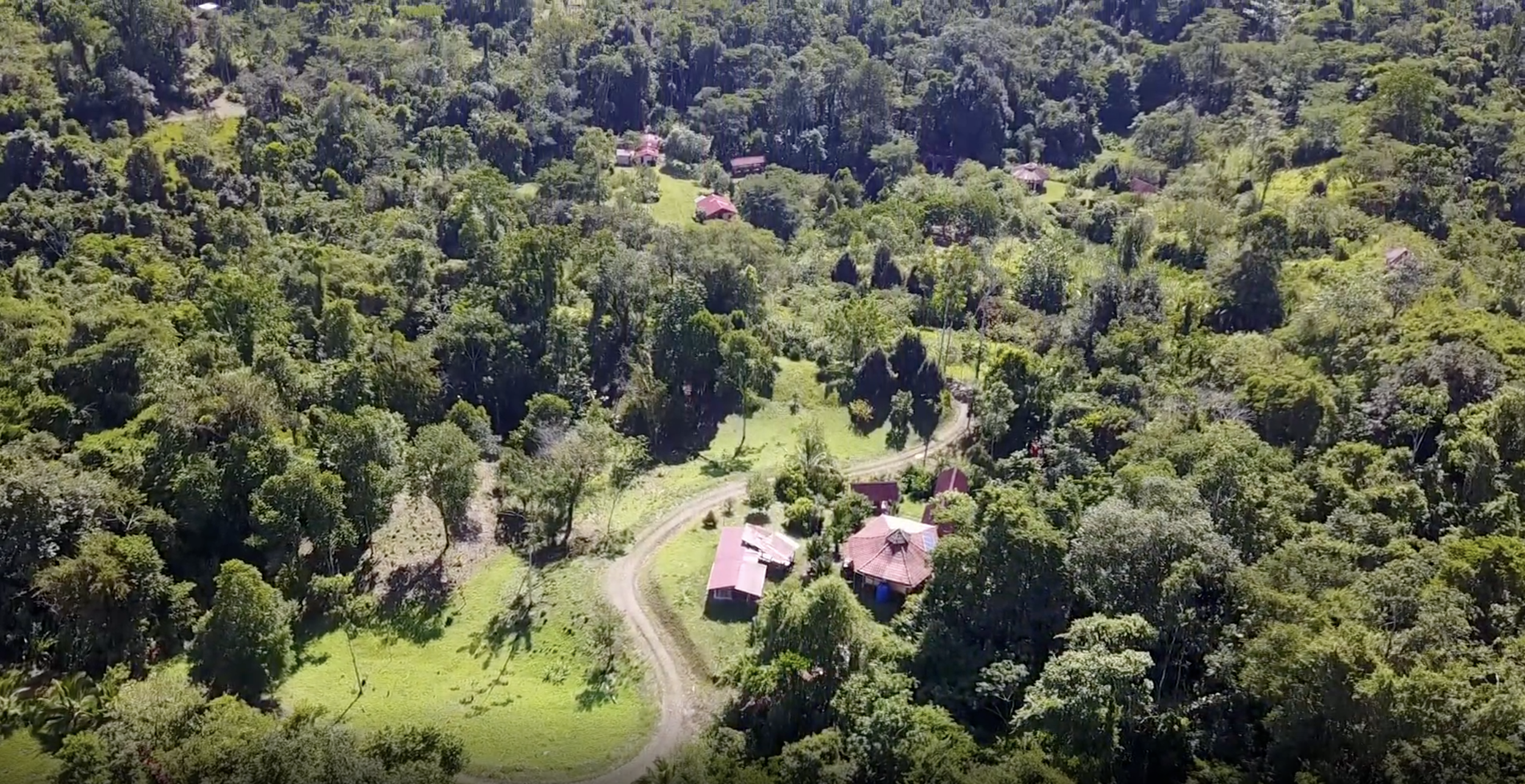
SEED encompasses approximately 150 hectares, with residential areas intentionally limited to about 15 hectares. The remainder is preserved for forest protection, regeneration, food systems, and shared ecological functions. This balance is central to the project’s long-term viability.
Location & Context
SEED is located in Costa Rica’s southern Caribbean region, near Puerto Viejo and Cahuita.
This puts everyday services — banking, medical care, schools, and supplies — within easy reach, while still feeling removed from dense development.
The region is defined by high biodiversity, abundant rainfall, and year-round growing conditions. It’s also an area experiencing increasing development pressure, which makes intact land and thoughtful use especially valuable.
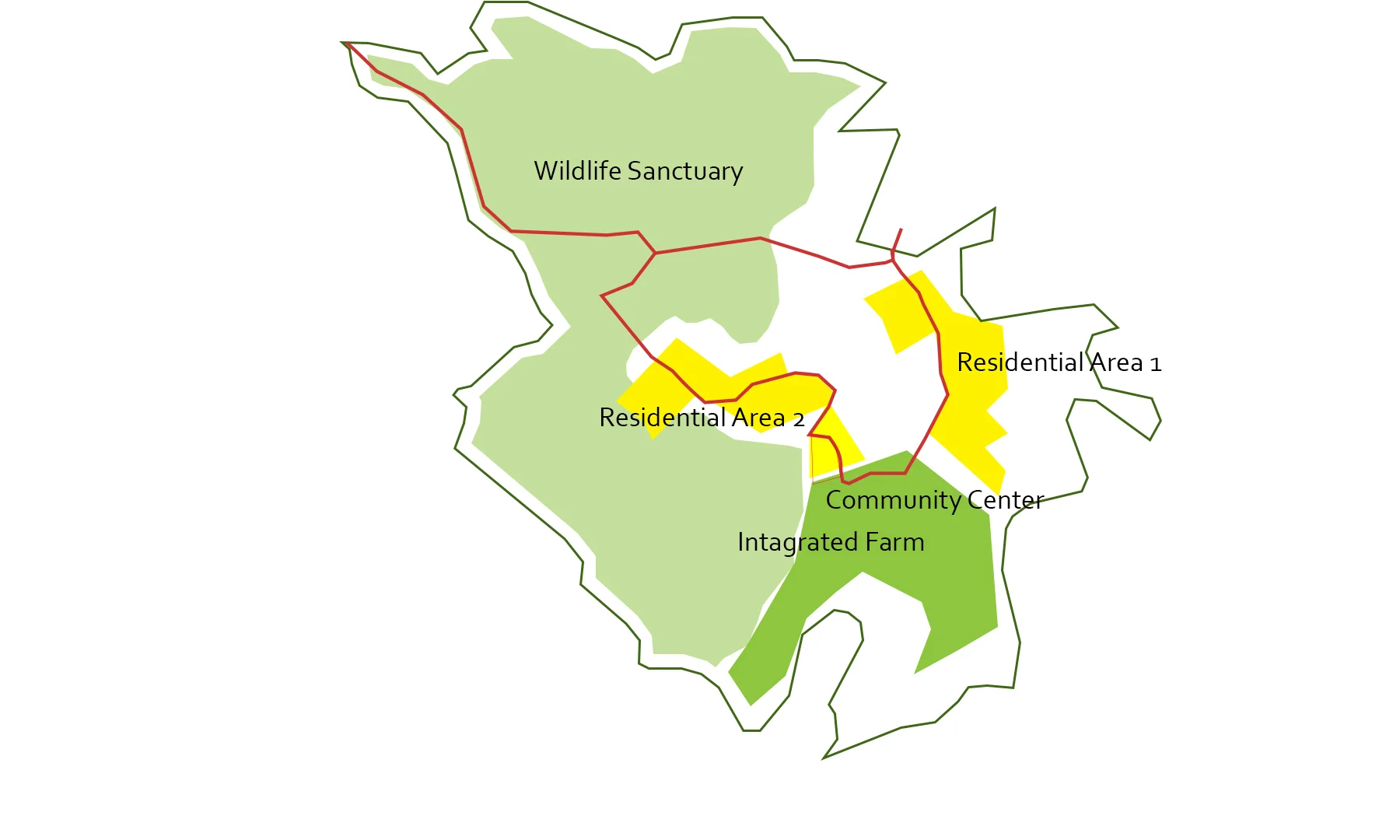
Land-use map showing ecological zones, residential areas, and shared land systems.
Ecological Characteristics
The land was chosen for qualities that matter when people actually live somewhere:
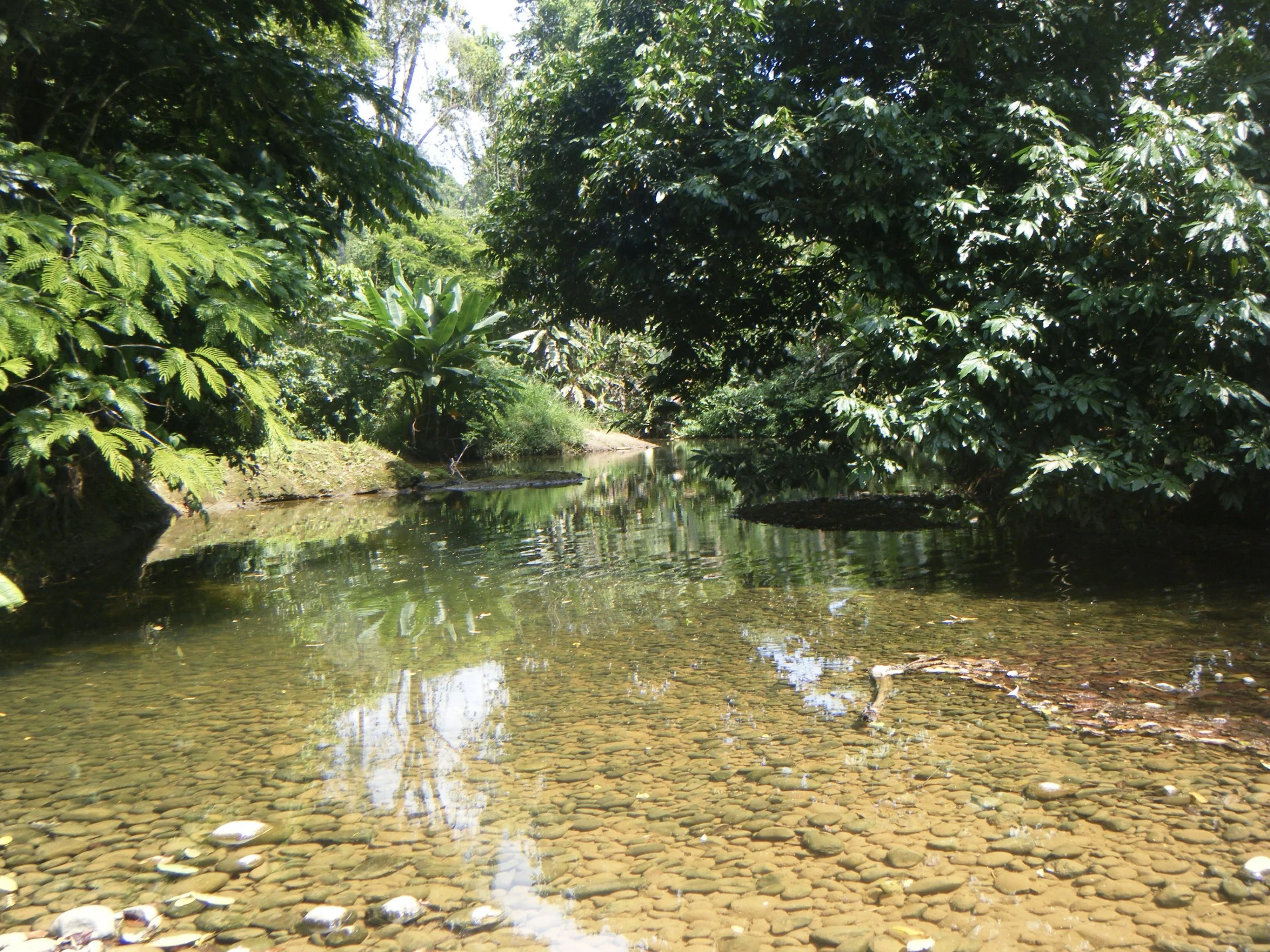
Reliable access to water
Significant forest coverage
Diverse plant and wildlife systems
Soil suitable for gardens and trees
Areas appropriate for low-impact homes
Large portions of the property remain undeveloped. Residential areas are woven into the land rather than carved out of it, allowing forest, water, and wildlife to continue moving through the landscape.
Land Use & Design Approach
Land use at SEED is simple and deliberate.
Residential zones are clearly defined. Shared and regenerative areas remain open and protected. Roads and paths are placed to allow access without fragmenting the land.
The goal isn’t to use every meter — it’s to let homes function comfortably while the land around them stays whole.
What the Land Supports
The land at SEED supports:
Daily residential life
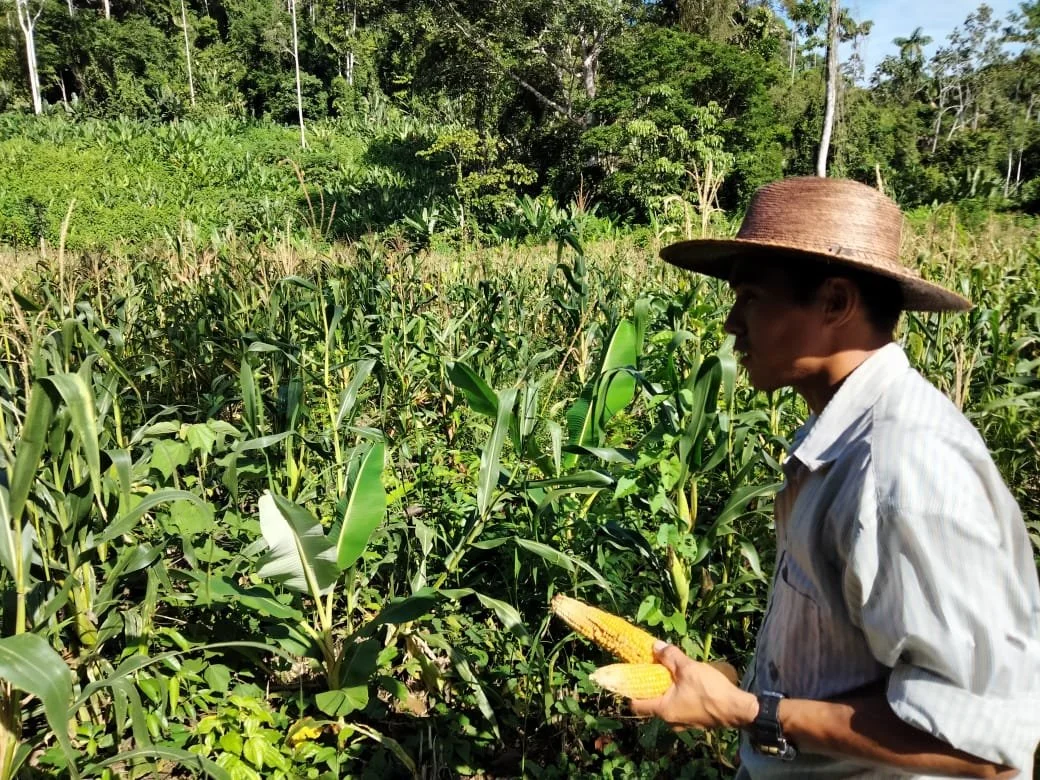
Home gardens and small food systems
Regeneration and conservation
Shared access to forests, rivers, and open space
It’s not designed for intensive build-out or dense development. The emphasis is on living with the land rather than reshaping it.
Being on the Land
SEED is best understood by spending time on it.
Walking the paths, seeing how homes sit in the landscape, and experiencing the space between them gives a clearer sense of how the land works.
Visits are available for people who want to explore whether this place feels right.