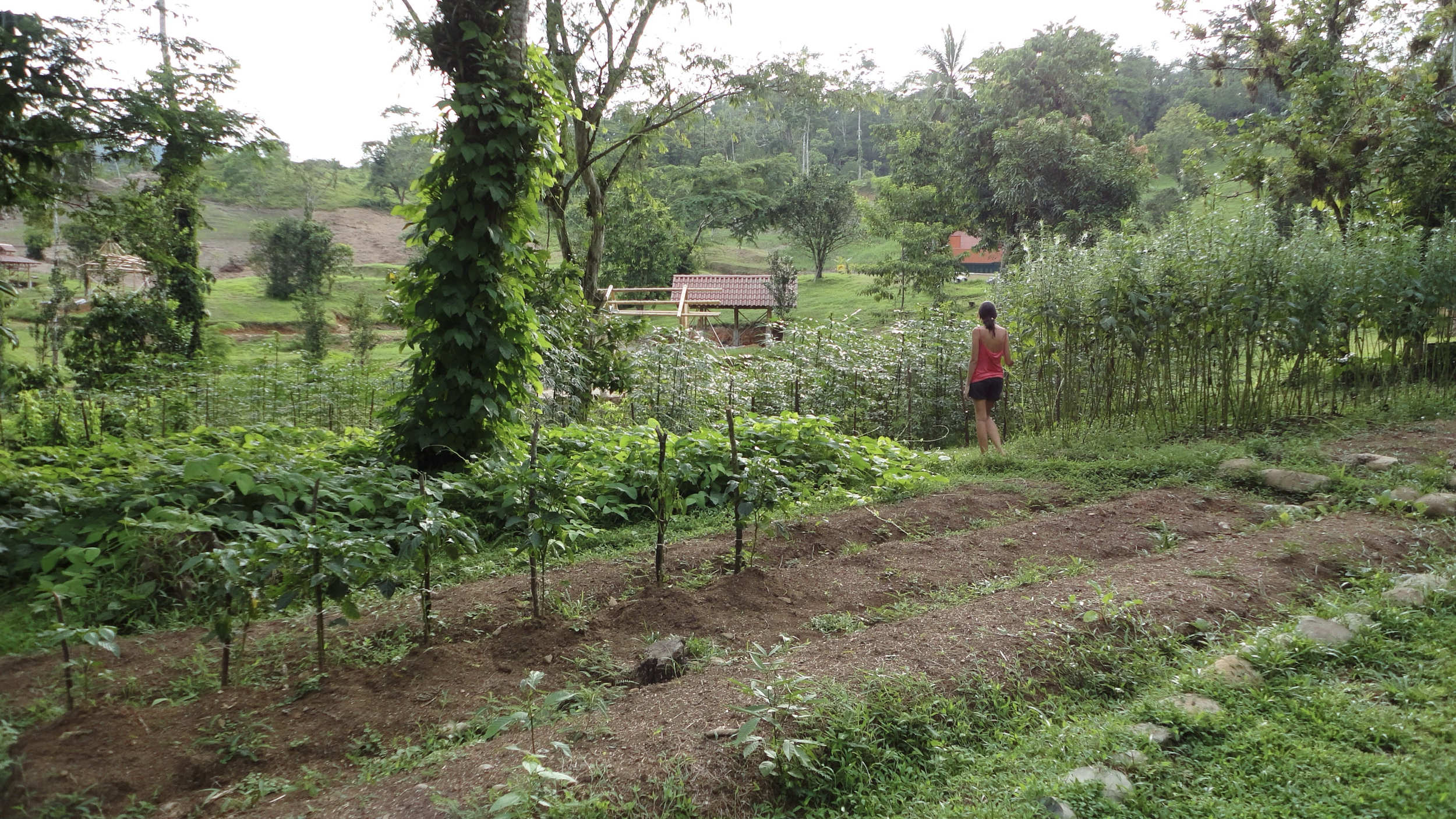
Living at SEED
Living at SEED means participating in a functioning place rather than a finished concept.
Homes, gardens, shared spaces, and daily routines grow together here. Life unfolds at a human pace, shaped by the land itself and by the people who choose to live on it.
Residential Lots
SEED includes residential lots starting at 5,000 m² (approximately 1.25 acres).
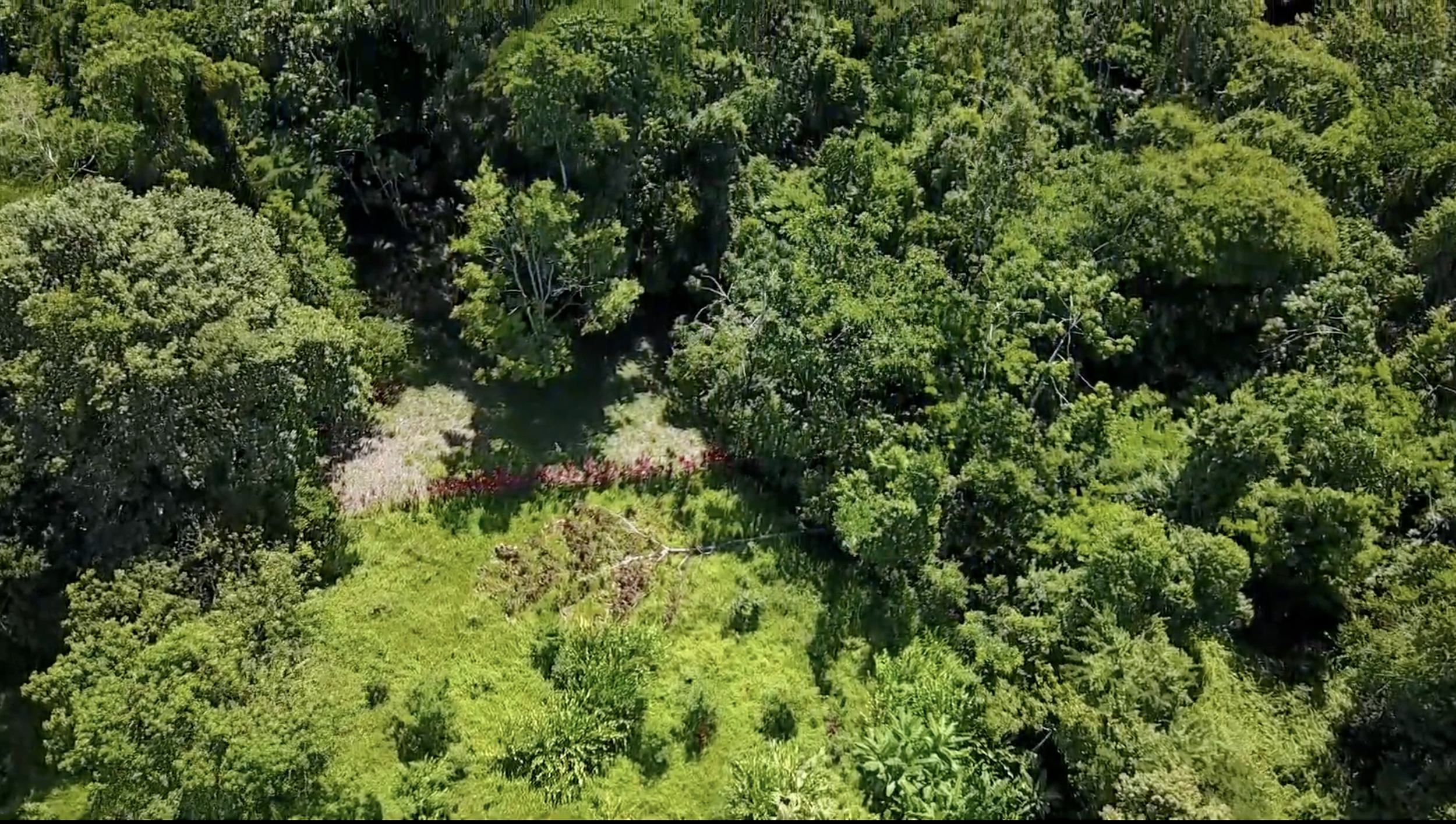
Each lot offers enough space for a home, a garden, and privacy, while remaining connected to shared land and natural systems. The size allows people to live comfortably without isolating themselves from the larger landscape around them.
Homes & Building
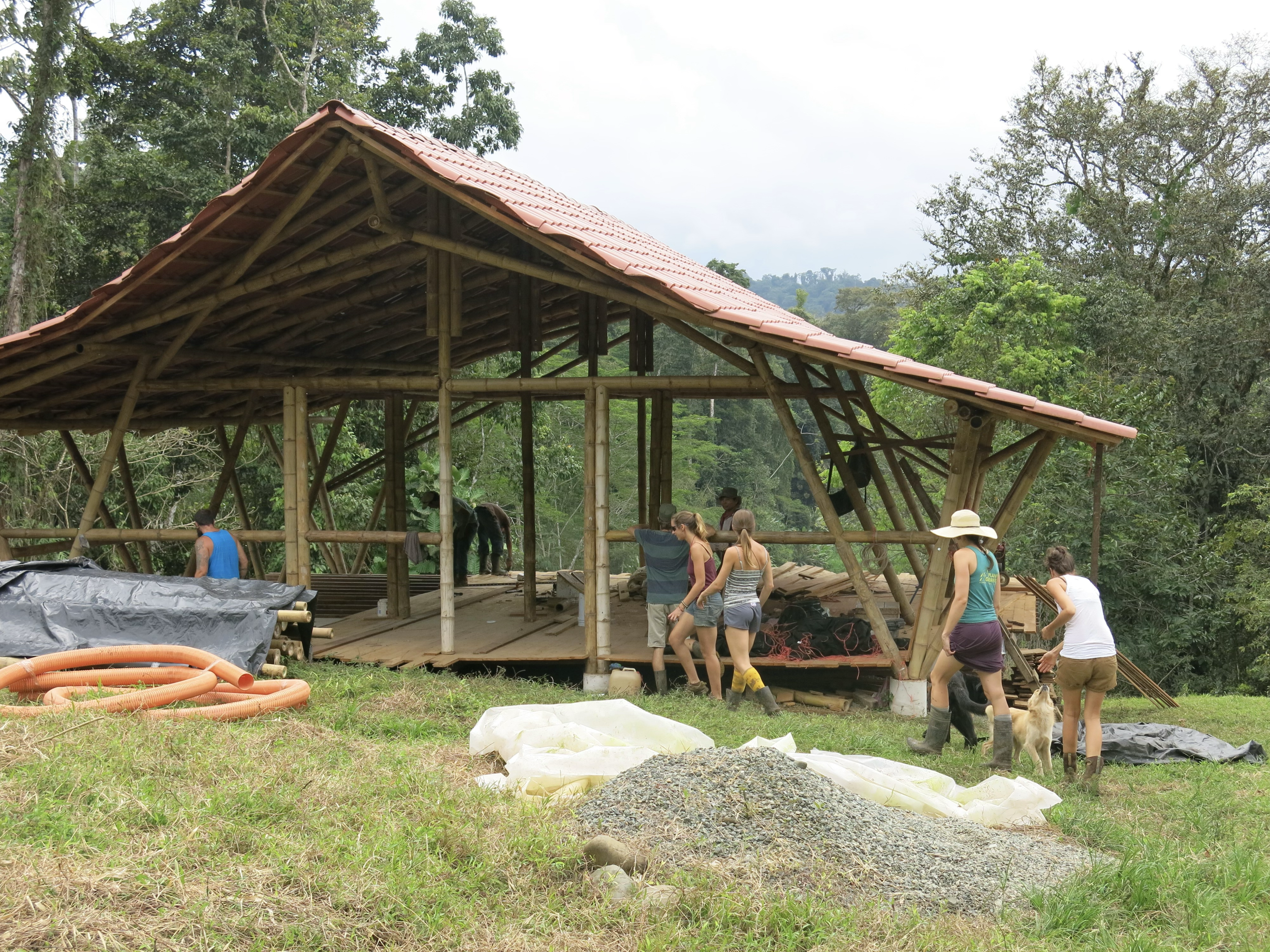
Homes at SEED are built individually and at each resident’s pace.
Shared building guidelines help ensure that homes are well suited to the land, respect neighboring lots, and maintain ecological integrity.
Infrastructure & Access
SEED includes shared infrastructure that supports everyday life on the land
This includes internal access roads and pathways, shared entry points, and basic systems maintained collectively. These elements make it possible to move through the property, reach homes, and care for shared spaces over time.
Water, Forest, and Common Areas
Access to natural systems is central to living at SEED.
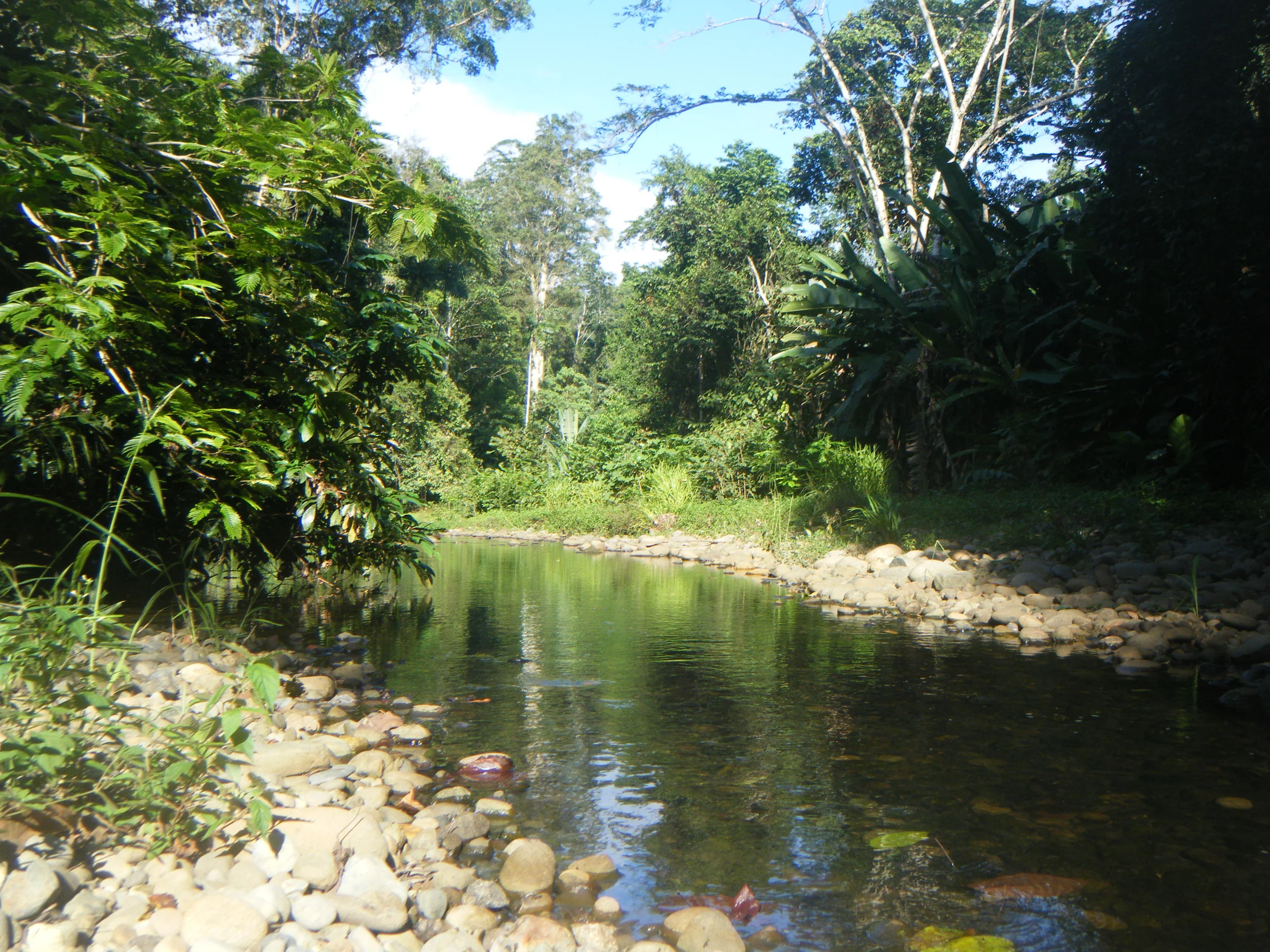
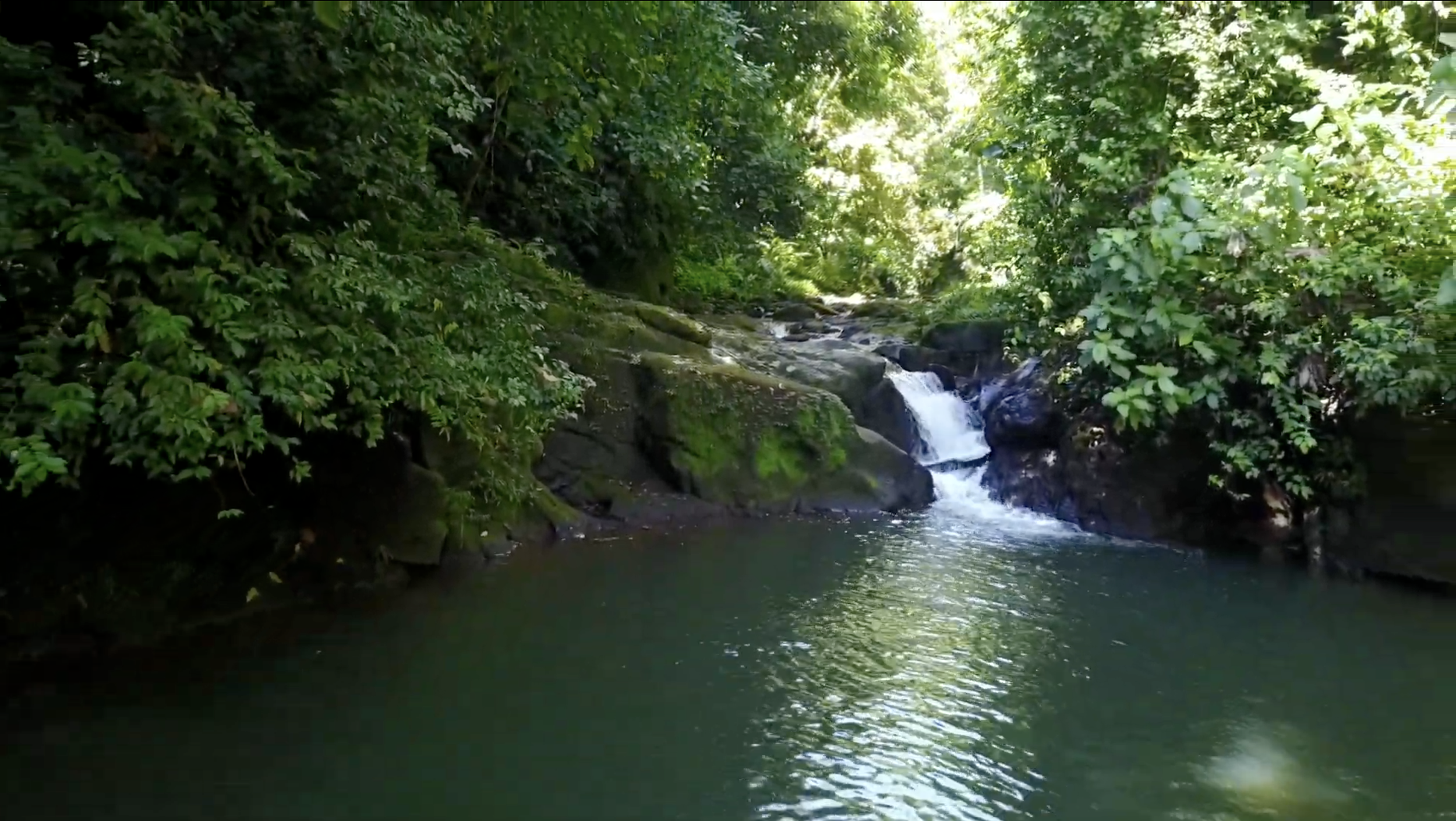
The land includes forests, trails, waterways, and shared natural spaces that remain collectively protected. These areas are part of daily life
Food & Regeneration
Living at SEED includes small-scale food production and regenerative practices.
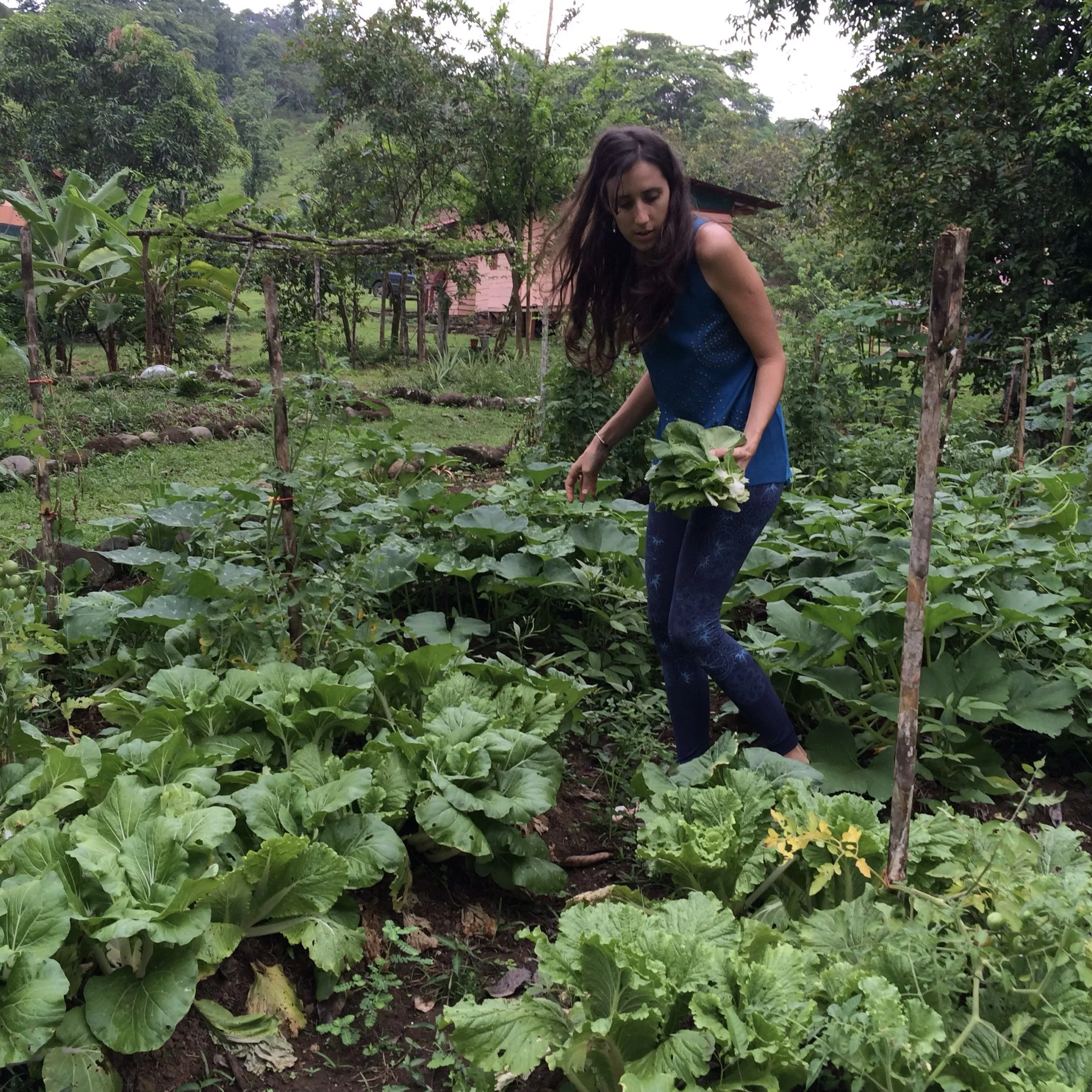
Gardens, fruit trees, and small productive systems are encouraged where they make sense. People grow what fits their household and interests, while shared land supports broader regenerative systems.
The emphasis is practical: healthy soil, resilient plants, and food that comes from close to home.
Shared Land Systems
SEED includes shared systems that support everyday life on the land.
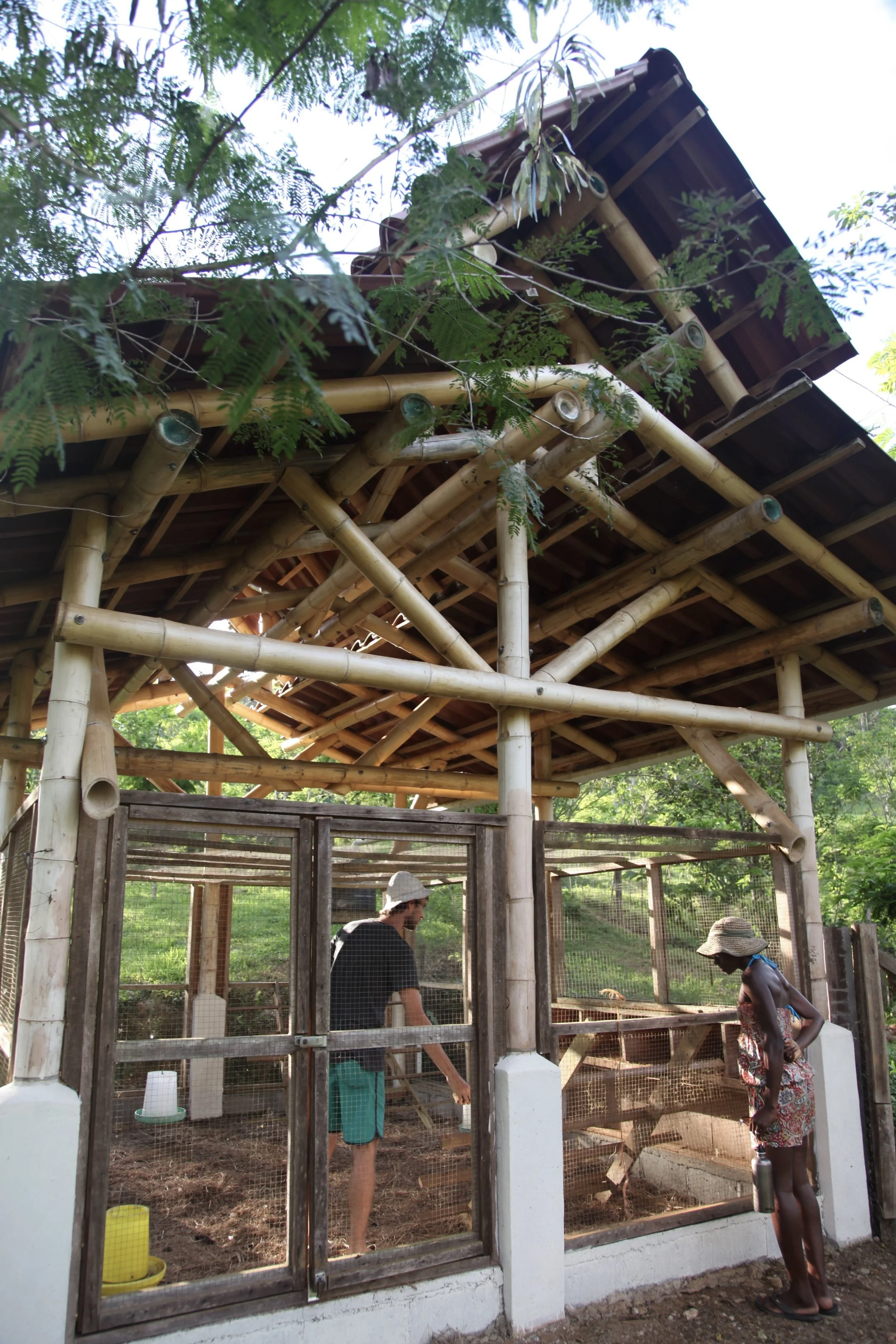
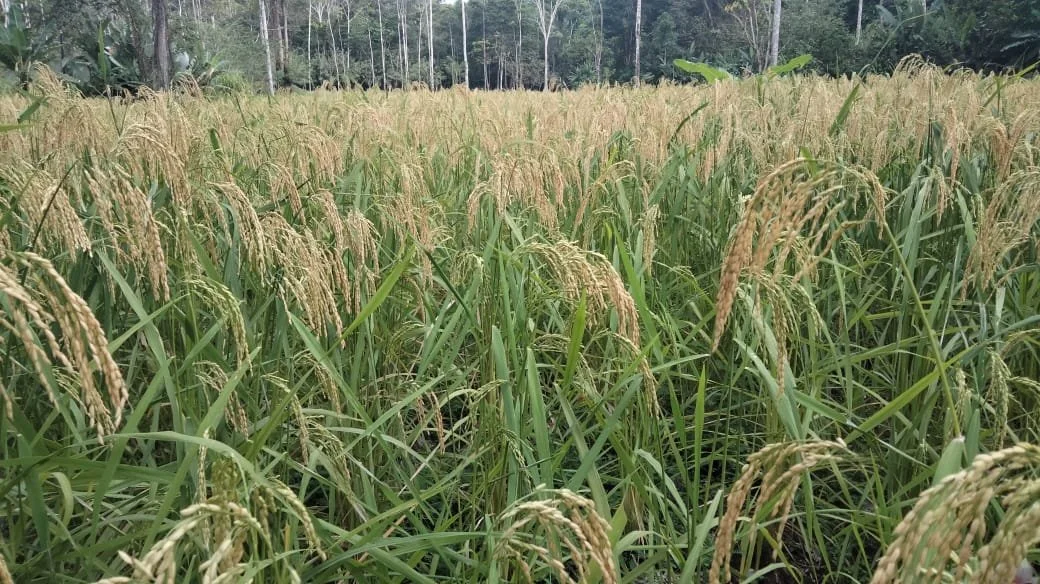
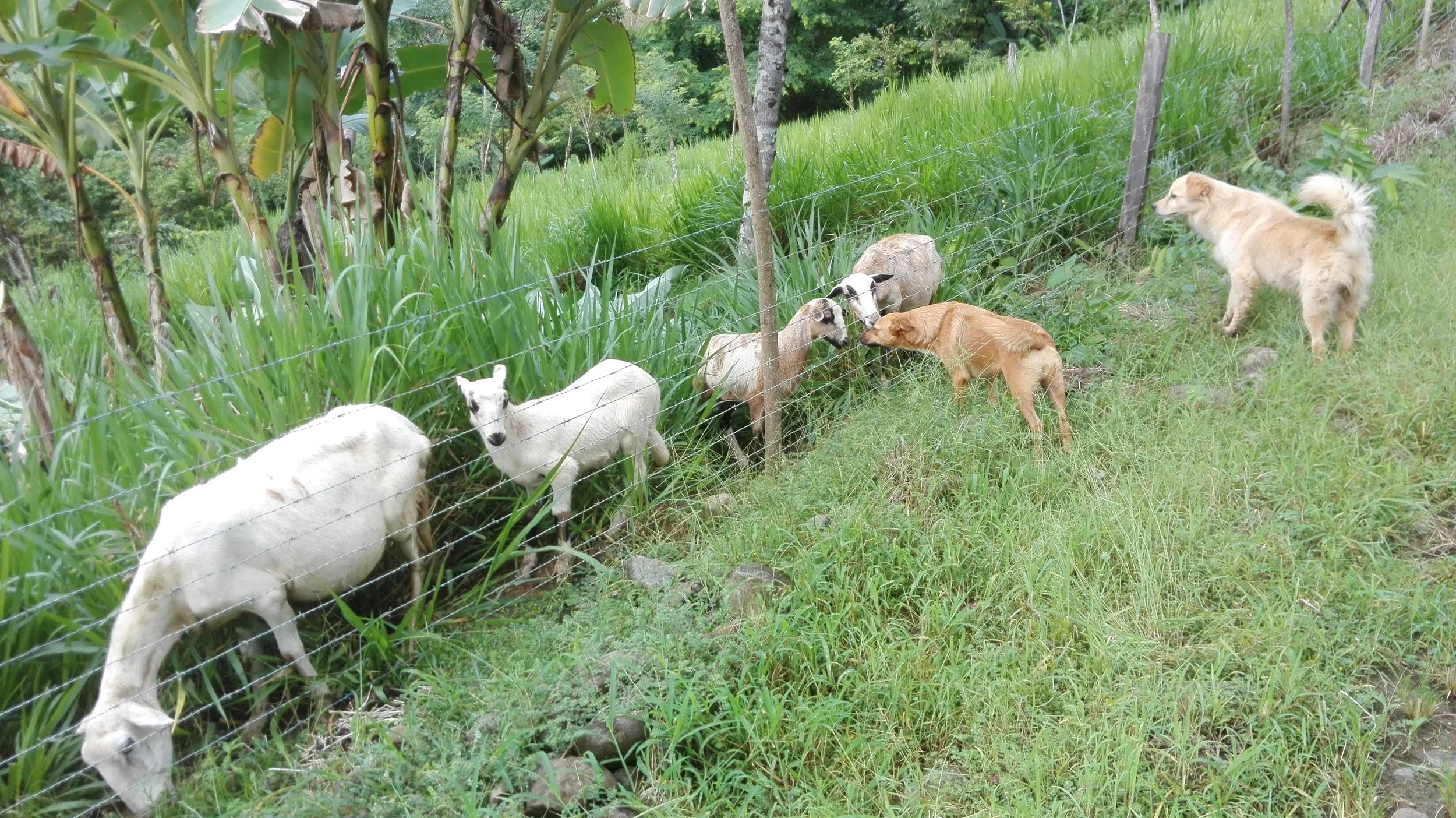
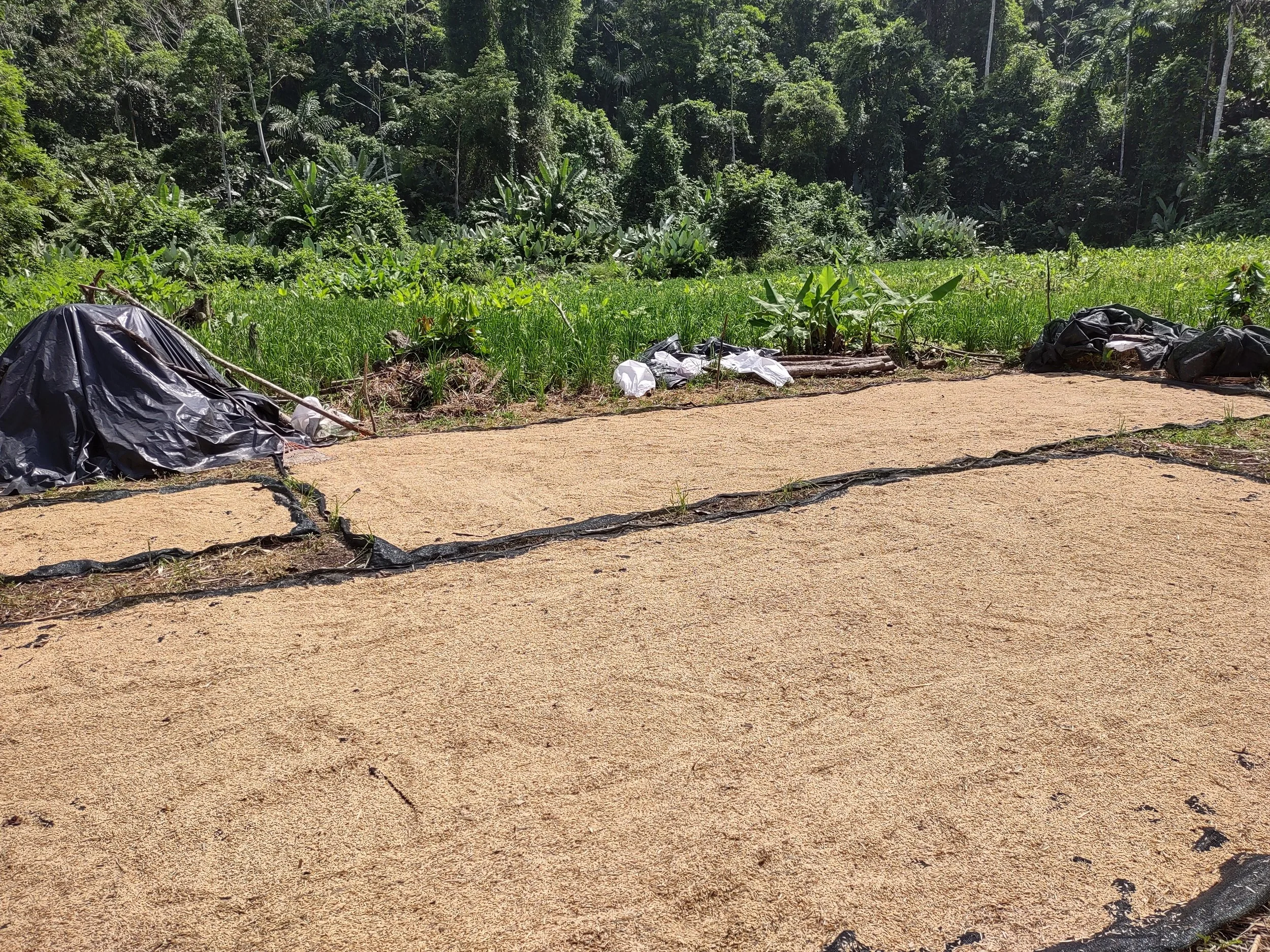
These include communal animal systems, shared food forest areas, and small-scale staple crops such as rice. They are part of the working landscape and evolve naturally based on who is living here and what the land supports.
Participation varies. Some people are deeply involved; others simply live alongside these systems.
The Land in Daily Use
Daily life at SEED is shaped by direct access to the land itself.
The property includes rivers, forested areas, and shared natural spaces that are part of everyday movement and use. Small-scale animal systems, food forests, and gardens exist as working elements of the landscape.
Privacy, Rhythm, and Daily Life
SEED is not built around constant social activity.
People value privacy, quiet, and autonomy. Days unfold differently in each household. Interaction happens naturally, through proximity, shared spaces, and occasional collaboration, without schedules or expectations.
Residents include individuals, couples, and families, all living in their own way within the same place.
Ongoing Stewardship
Living at SEED includes caring for the place you live in.
People contribute in practical ways, maintaining paths, shared areas, and systems that everyone uses. This care is part of daily life, not a separate obligation.
Families & Daily Life
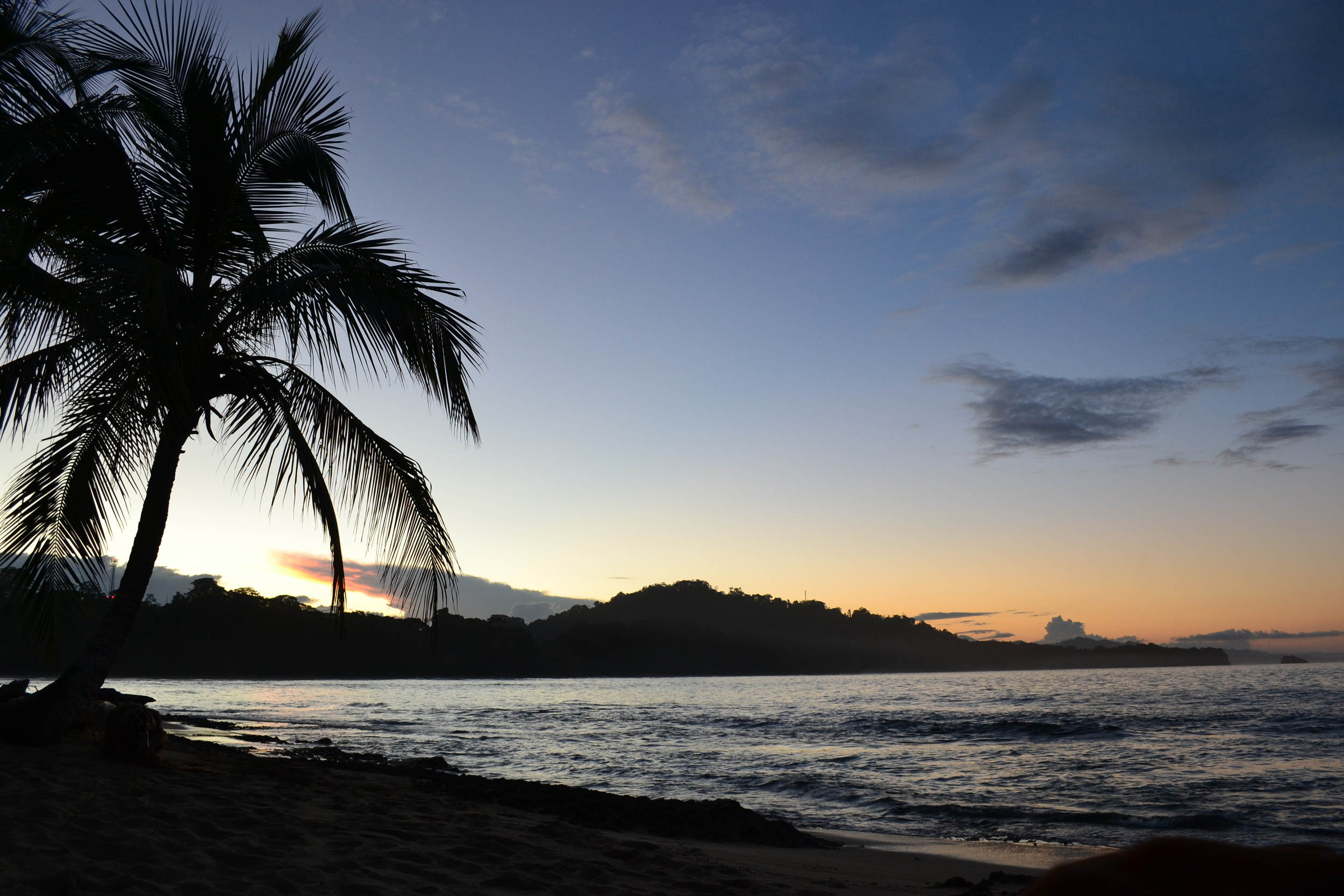
SEED is quiet and land-based, but not isolated. Families have access to the broader South Caribbean community, including public school options, private international school options, beaches, local services, markets, restaurants, and medical care in the Cahuita and Puerto Viejo area.
This is especially important for families who want their children to grow up close to land, rivers, forest, food systems, and community, while still having access to education and everyday services.
Considering Life at SEED
SEED is best understood in person.
Visits are available for those curious about what daily life here actually feels like: walking the land, seeing the spaces, and sensing whether it fits.