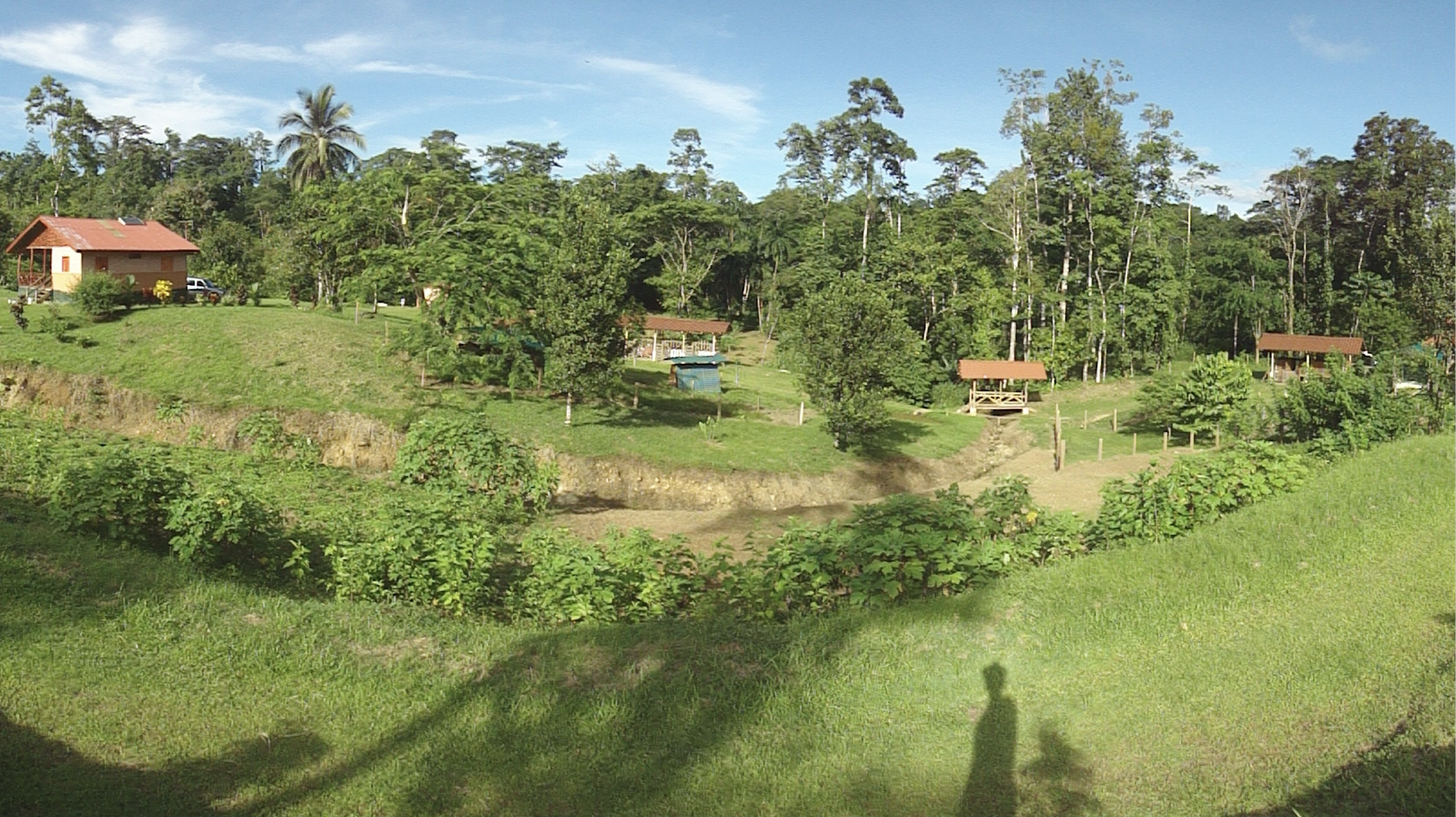
The Community
SEED is a land-based ecovillage in Costa Rica organized around shared agreements, creating clarity in how land and community are cared for over time.
The community exists to support long-term living on the land — not as an ideal, but as a practical reality that requires clear structures, stewardship, and continuity.
A Shared Framework
Living at SEED means participating in a shared framework.
This framework defines how the land is used, how common areas are maintained, and how individual projects relate to the whole. It exists to protect the integrity of the land and the long-term livability of the community.
The goal is not uniformity, but coherence over time.
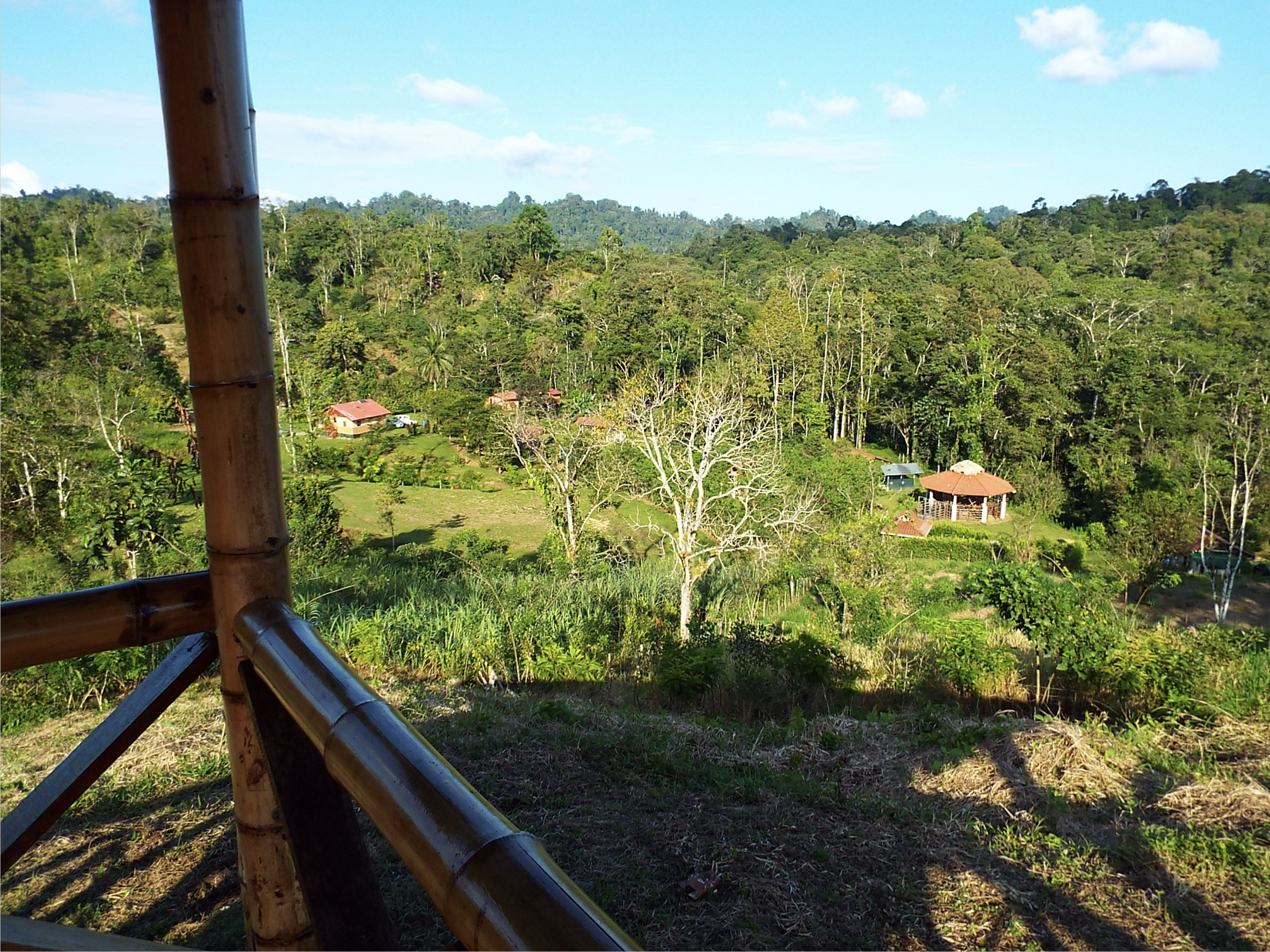
Agreements & Responsibilities
Community agreements guide daily life at SEED.
They exist to protect:
The land
The community
The long-term value of each lot
These agreements address matters such as land use, development limits, infrastructure access, maintenance responsibilities, and shared spaces.
They are designed to protect shared systems, ensuring that individual choices do not undermine the collective whole.
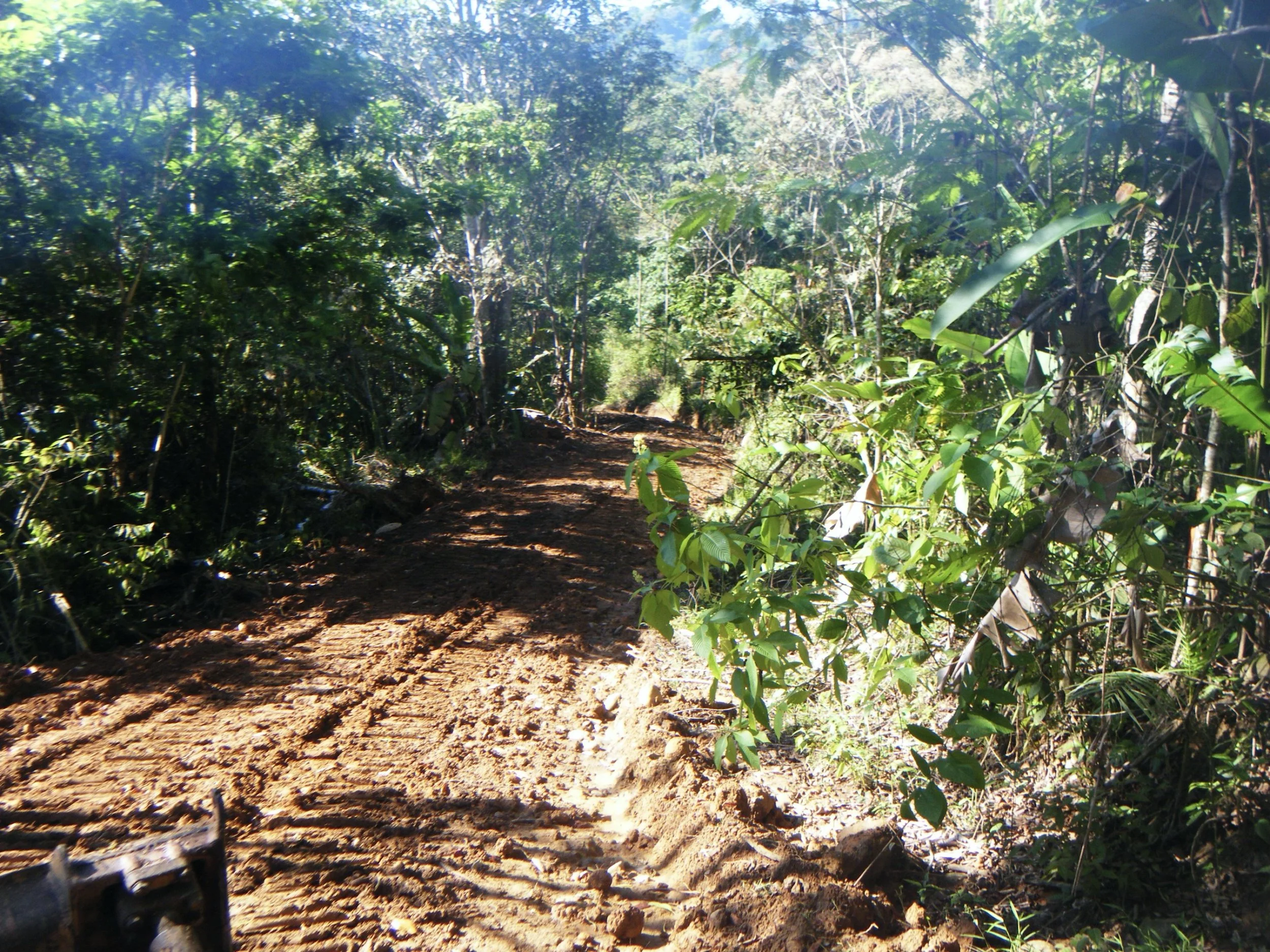
Governance & Maintenance
SEED functions through shared responsibility.
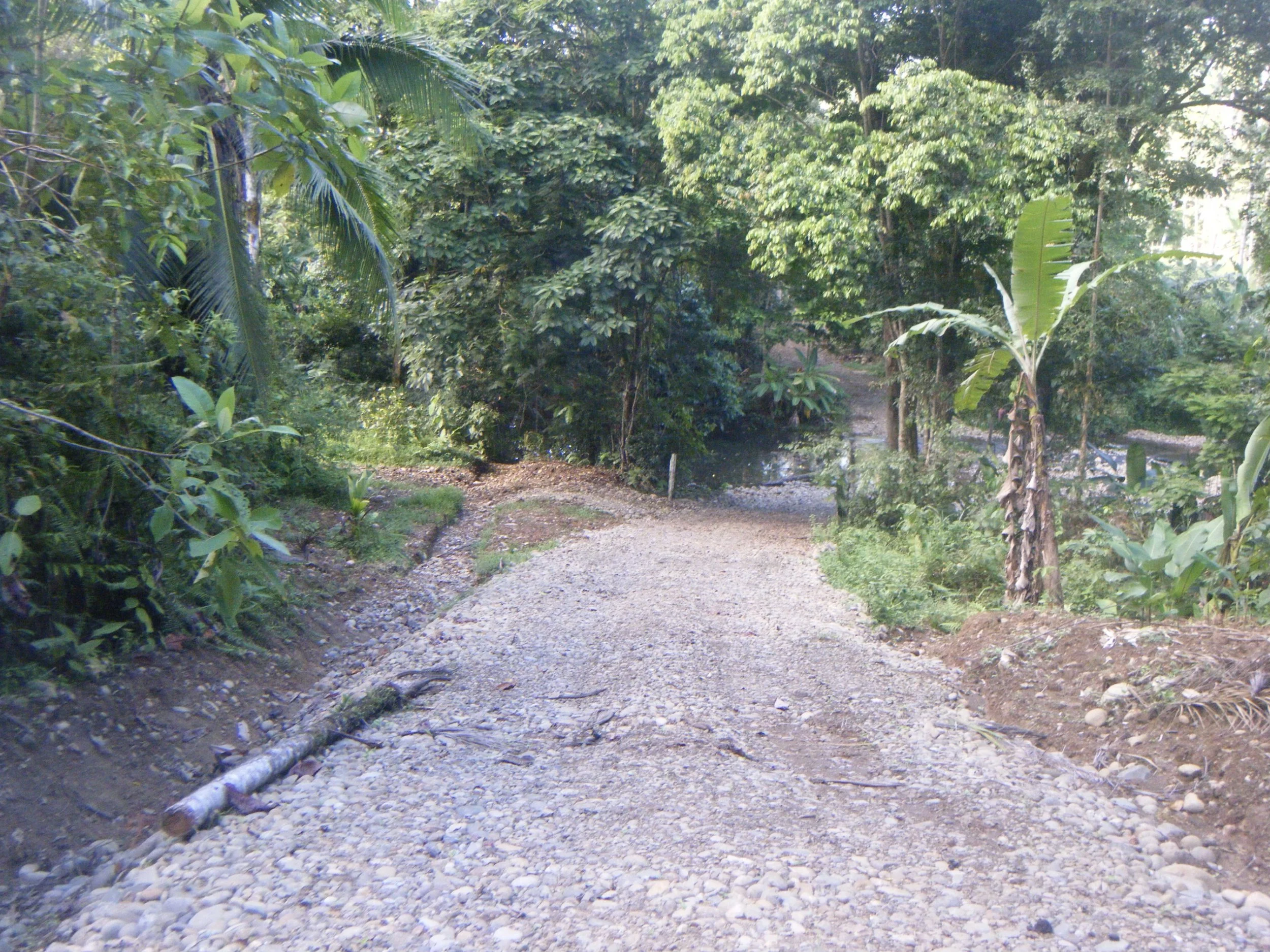
Lot owners contribute to the maintenance of common infrastructure and shared spaces, including access roads, trails, and communal areas. This ensures that the property remains functional, accessible, and cared for over time.
Governance is practical and transparent, focused on stewardship rather than authority.
Who SEED Tends to Attract
SEED tends to attract people who:
Intend to live on the land rather than hold it passively
Value long-term thinking over short-term convenience
Understand land as a relationship, not a commodity
This is not a place designed around lifestyle branding or aesthetic identity. It is a working community shaped by real use and real commitments.
SEED works best for people who are comfortable with shared responsibility and who value stability, quiet, and long-term belonging.
Individual Projects Within a Collective System
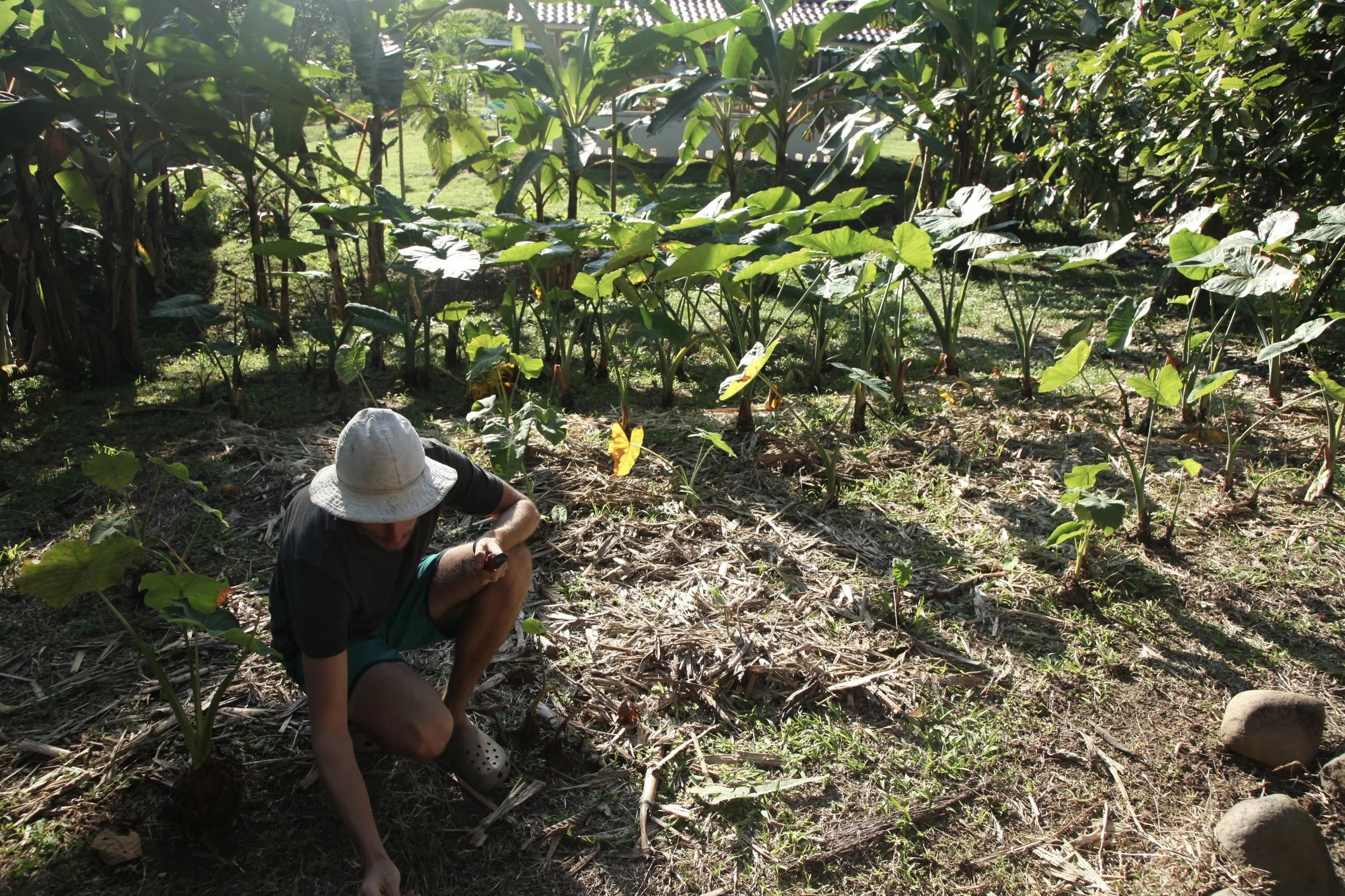
Each lot at SEED supports individual expression.
Homes, gardens, and personal projects unfold within a broader ecological and social framework. This balance allows diversity of use while maintaining coherence across the land as a whole.
The community structure exists to make this balance possible — not to eliminate individuality, but to support it sustainably.
Living With Others, Intentionally
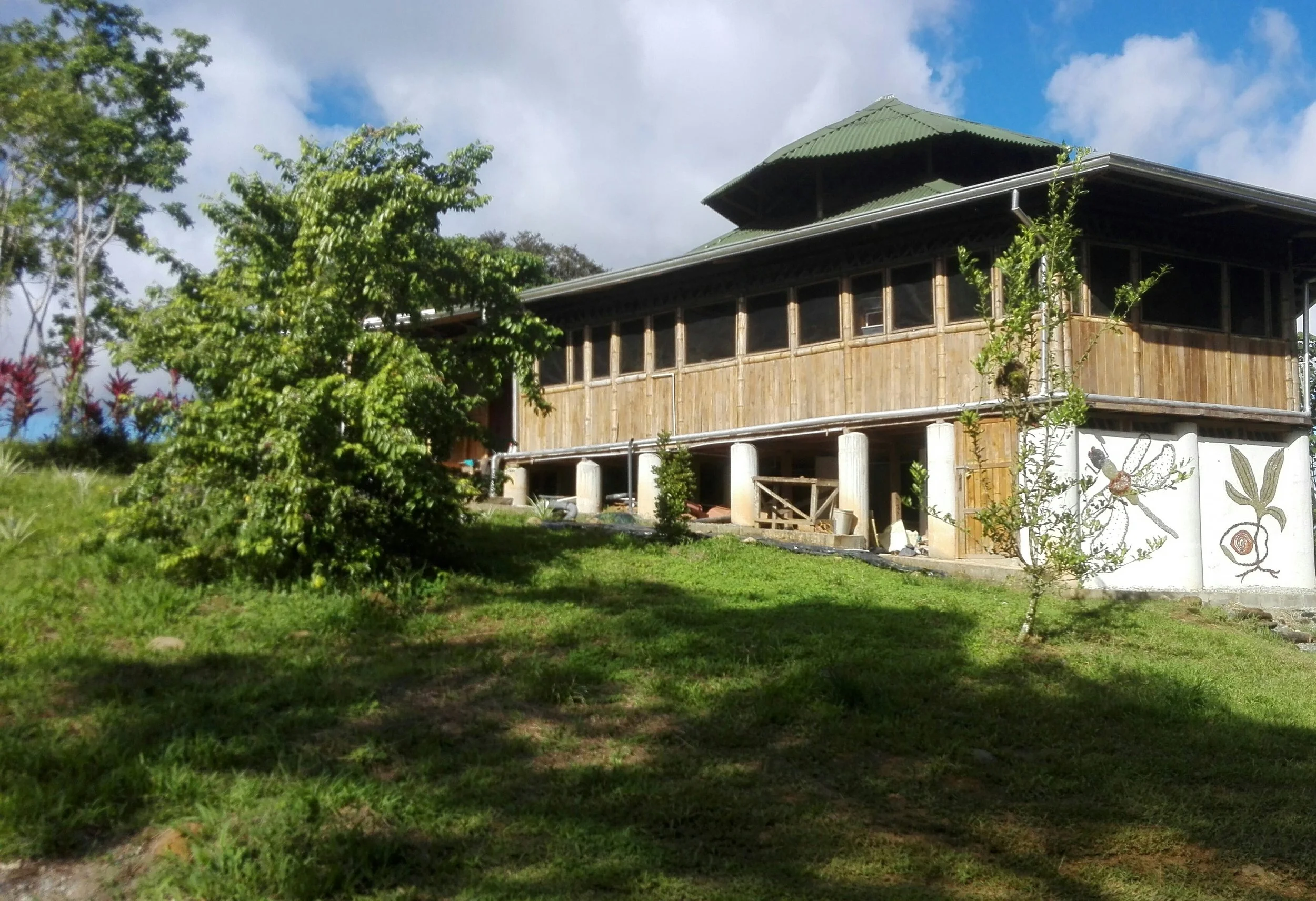
Community at SEED is not based on constant interaction.
Privacy, autonomy, and quiet are respected. Shared spaces exist for practical use rather than programmed activity. Participation is rooted in responsibility, not obligation.
SEED is designed for people who value clarity over informality and durability over novelty.
Joining the Community
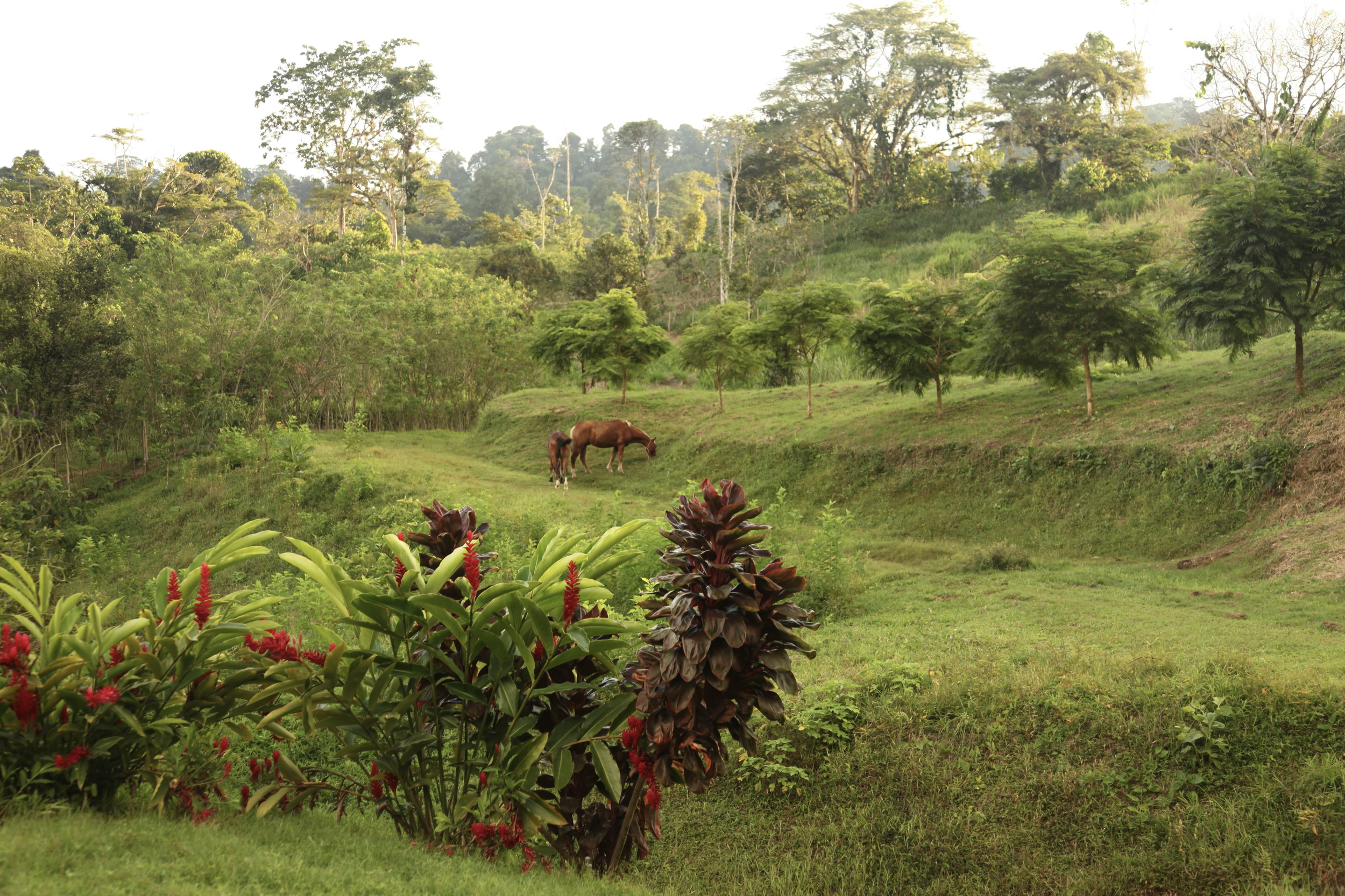
Becoming part of SEED begins with getting to know the land and how the community functions.
Conversations focus on clarity, shared expectations, and whether there is a good long-term fit.